
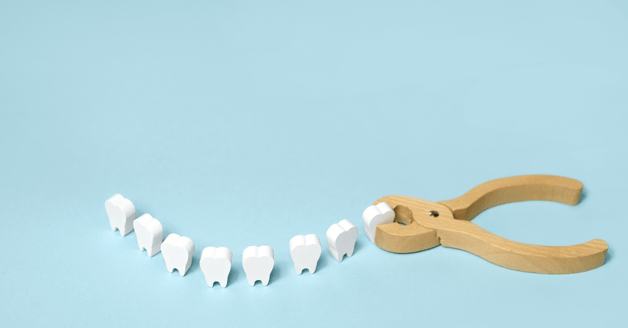
Wisdom teeth, those mysterious molars that seem to cause quite the stir when they make their grand appearance (or don't). Whether you're anticipating their arrival or wondering why they haven't shown up yet, understanding these late bloomers can be quite enlightening.
What are wisdom teeth?
Wisdom teeth are your third set of molars, typically appearing between the ages of 17 and 25. They're called "wisdom" teeth because they emerge during a time in life when you're presumably gaining more wisdom. However, despite their wise name, they often come with a few complications.
Why do we have them?
Our ancestors needed these extra molars for grinding down raw plants and meat, as their diets were much tougher than ours today. Over time, with changes in our diet and advancements in dental care, our jaws have become smaller. This evolutionary shift often leaves little room for these extra teeth, resulting in the common dental issues we see today.
When do wisdom teeth become a problem?
For some lucky individuals, wisdom teeth emerge without any issues. However, for many, these late bloomers can cause significant dental problems. Here are a few scenarios where wisdom teeth can become troublesome:
- Impaction: Sometimes, there isn't enough room in the mouth for wisdom teeth to emerge properly. This can lead to impaction, where the tooth is trapped beneath the gum or partially breaks through.
- Crowding: As wisdom teeth push through, they can crowd or shift surrounding teeth, leading to misalignment.
- Infection and Decay: Partially erupted wisdom teeth can be difficult to clean, making them more susceptible to infection and decay.
Do all wisdom teeth need to be removed?
Not all wisdom teeth require extraction. If they are healthy, fully erupted, and properly aligned, they can be left alone. However, regular dental check-ups are essential to monitor their condition. Dentists often recommend removing wisdom teeth if they:
- Are impacted and causing pain or infection
- Pose a risk of damaging other teeth
- Are causing cysts or damage to the jawbone
- Contribute to significant tooth crowding
What to expect during wisdom teeth removal
For many, the solution to problematic wisdom teeth is extraction. Although the thought of surgery might be intimidating, the procedure is common and generally safe. Here's a quick rundown of what to expect:
- Consultation: Your dentist will likely take X-rays to assess the position of your wisdom teeth and discuss the best course of action.
- Anesthesia: During the procedure, you'll be given local anesthesia, sedation, or general anesthesia to ensure comfort.
- Extraction: Your dentist will make an incision in the gum to remove the tooth. Stitches may be used to close the incision.
- Recovery: Rest is crucial after extraction. You might experience swelling and discomfort, but following your dentist's recovery instructions will help you heal quickly.
Caring for your wisdom teeth
If your wisdom teeth are not causing problems, maintaining good oral hygiene is key to keeping them healthy. Here are some tips:
- Brush and floss regularly, paying extra attention to the back of your mouth.
- Use an antibacterial mouthwash to help reduce the risk of infection.
- Visit your dentist regularly for check-ups and professional cleanings.
The bottom line: Wisdom teeth can be a complex topic, but understanding them helps you make informed decisions about your dental health. Stay proactive with regular dental visits, and don't hesitate to discuss any concerns with your dentist. Whether your wisdom teeth stick around or need to bid farewell, your journey to a healthy smile is what truly matters.
Want to enhance your oral health while saving on dental care? Explore our Dental Solutions blog, your ultimate resource for oral health tips and insights to keep your smile bright. Contact us today to learn how our dental savings card can help you save 20% to 50% off at your next dental visit.